
White Spot Removal
White Spot Removal in Renton, WA
White spots on your teeth can turn a confident smile into a source of self-consciousness, especially when the rest of your enamel looks healthy and even. These chalky or faint markings, known clinically as dental fluorosis or enamel demineralization, most often develop during childhood tooth formation or from prolonged plaque buildup around braces and dental appliances. According to the American Dental Association’s MouthHealthy resource, less than one in four people between the ages of six and forty nine have some degree of dental fluorosis, and most cases are mild enough that only a dentist would notice them during an exam.
At Evergreen Grace Dental Care, Dr. Bartolo España and our team offer several effective, personalized treatment options to reduce or eliminate white spots and restore a more even, natural-looking smile using advanced cosmetic dentistry techniques. Every treatment plan begins with a thorough evaluation so we can identify the cause of your white spots and recommend the approach most likely to give you the result you are looking for.
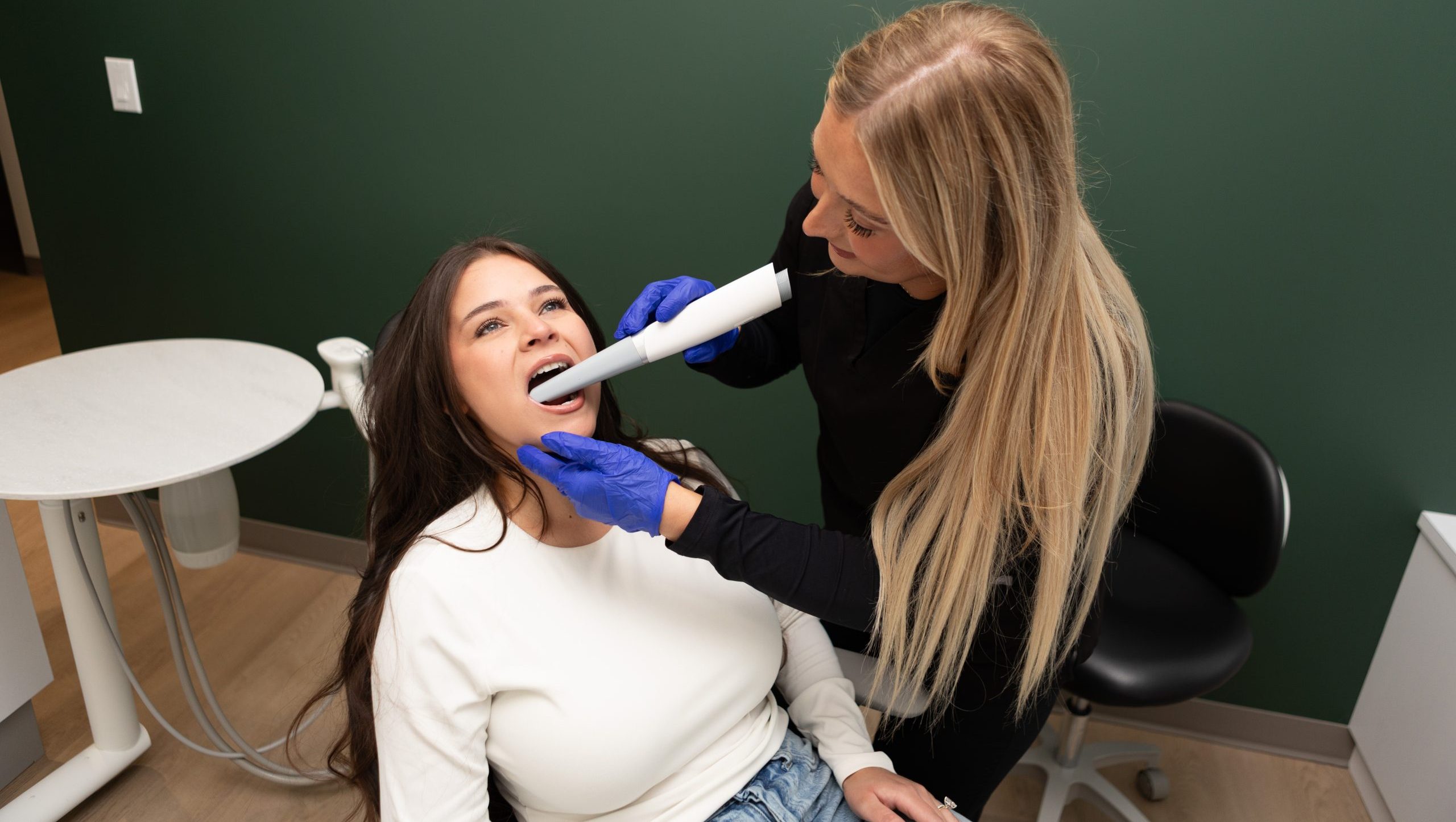
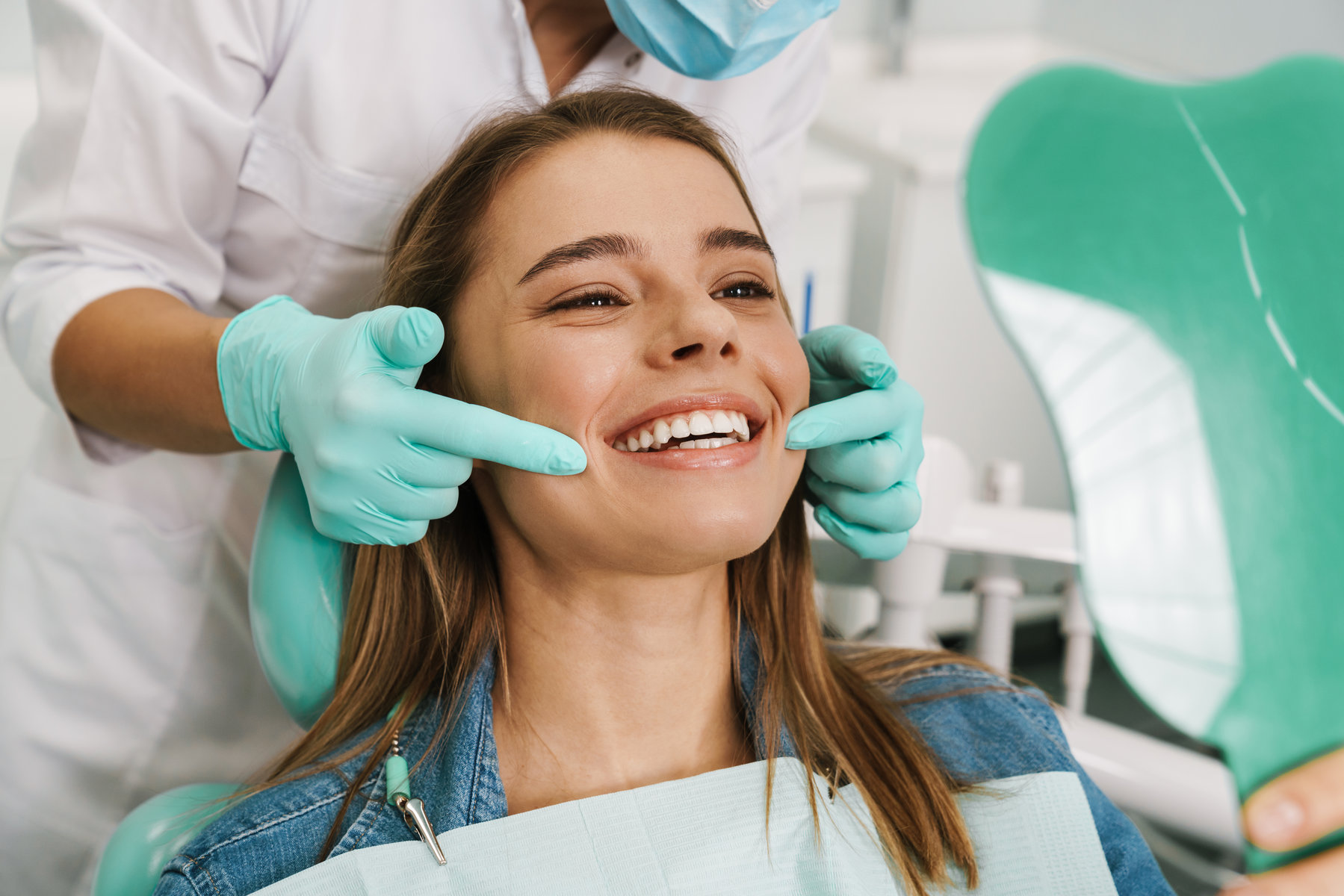
White Spot Removal
Understanding the Causes of White Spots
White spots most commonly result from demineralization, a process where acid-producing bacteria in plaque pull minerals out of the tooth enamel. This often happens when plaque builds up around braces, beneath poorly fitting dental appliances, or in areas that are difficult to brush thoroughly.
Fluorosis is another common cause, typically developing when children consume too much fluoride while their permanent teeth are still forming under the gums. Fluoride helps strengthen enamel and prevent cavities, but excessive amounts during those developing years can leave behind the faint white markings many patients notice later in life. Other causes include early enamel decay, certain medications taken during childhood, and dry mouth, which limits saliva’s natural mineral-restoring effect.
A comprehensive dental exam helps us pinpoint the underlying cause of your white spots so we can recommend the treatment approach best suited to your specific situation. Schedule a consultation to find out what is causing yours.
What to Expect From White Spot Treatment in Renton
Your Treatment Visit
Every white spot treatment begins with an exam and shade assessment, so Dr. España can compare the affected areas with the surrounding healthy enamel and determine which approach fits your case. Conservative treatments like microabrasion or resin infiltration are often completed in a single visit, while composite bonding typically takes one appointment and porcelain veneers require two visits so your custom restorations can be crafted.
Most patients experience little to no downtime after treatment. Mild, temporary sensitivity can occur with microabrasion, and we walk you through simple aftercare so your results look natural and last as long as possible.
Who Is a Good Candidate?
White spot treatment tends to work best for patients with healthy gums and no untreated cavities or active decay near the affected area. Surface level spots caused by demineralization or mild fluorosis typically respond well to microabrasion or resin infiltration, while deeper or more widespread discoloration may call for composite bonding to fully mask the spots.
If you have braces or take-home whitening trays scheduled, Dr. España often recommends waiting until that treatment is complete so your final results are shade matched evenly. Every plan is customized after your consultation, so you know what to expect before moving forward.

White Spot Removal
Professional Treatment Options Available
Modern dentistry offers several effective approaches to white spot removal, ranging from minimally invasive treatments to more comprehensive cosmetic solutions. The right option depends on the size, location, and severity of your spots, along with your budget and how quickly you want to see results.
Microabrasion is a conservative option that gently removes a thin layer of enamel to reduce the appearance of mild white spots, using a mild acid and abrasive compound applied directly to the affected area.
Advanced Cosmetic Solutions
For more noticeable white spots, or cases where microabrasion is not enough, dental veneers or bonding can completely mask the discoloration while improving your overall smile. Resin infiltration therapy offers another option, using a special material that penetrates and blends with the affected enamel without removing healthy tooth structure.
If you are also interested in brightening your overall shade, professional teeth whitening can be combined with these treatments once your white spots are addressed. We offer flexible financing options to help make any of these treatments more accessible.

White Spot Removal
Preventing Future White Spot Development
Prevention plays a crucial role in maintaining your smile’s appearance after white spot treatment. Consistent oral hygiene practices, including proper brushing technique and regular flossing, help prevent the bacterial buildup that leads to decalcification and new spot formation.
Regular professional dental cleanings remove plaque and tartar that home care might miss, particularly in hard-to-reach areas around dental work or along the gumline. These appointments also allow us to monitor your teeth and catch any early signs of demineralization before they become visible spots.
Consider the following preventive strategies to protect your smile:
- Maintain excellent oral hygiene with fluoride toothpaste and regular flossing
- Limit sugary and acidic foods and beverages that feed harmful bacteria
- Use a mouth rinse designed to remineralize tooth enamel
- Attend regular dental checkups and professional cleanings
- Follow any specific care instructions provided by your dental team
Following these recommendations helps ensure your white spot treatment results last as long as possible while promoting overall oral health.
White Spot Treatment at Evergreen Grace Dental Care
Evergreen Grace Dental Care is a family-owned private practice in Renton, Washington, where Dr. España brings over a decade of cosmetic dentistry experience to every white spot treatment. We take the time to explain your options thoroughly so you can make an informed decision about your smile improvement goals and timeline.
If white spots have been holding back your smile, we are ready to help. Schedule your white spot consultation with Dr. España today, or call us at 425-264-4400 to find out which treatment option is right for you.
Frequently Asked Questions
What causes white spots on teeth?
White spots most often develop from demineralization around braces or dental appliances, fluorosis from too much fluoride during childhood tooth formation, or early enamel decay. A dental exam helps identify which cause applies to you so we can recommend the most effective treatment.
Which treatment is right for my white spots?
The best option depends on how deep and widespread your spots are. Mild surface spots often respond well to microabrasion or resin infiltration, while more noticeable discoloration may call for composite bonding or porcelain veneers. Dr. Espana reviews your specific situation at your consultation before recommending a treatment plan.
Is white spot removal painful?
Most white spot treatments involve little to no discomfort. Microabrasion and resin infiltration typically require no anesthesia, and any mild sensitivity afterward usually resolves quickly. Bonding and veneers are also generally well tolerated with minimal downtime.
How long do white spot treatment results last?
Results can last for years with consistent oral hygiene and regular dental checkups. Bonding and veneers tend to be especially durable, while microabrasion and resin infiltration results depend on maintaining good habits that prevent new demineralization from forming.
Can white spots come back after treatment?
New white spots can develop if the same causes, such as poor oral hygiene or plaque buildup around braces, are not addressed. Maintaining consistent brushing and flossing, limiting sugary and acidic foods, and attending regular cleanings help protect your results.
How much does white spot removal cost in Renton?
Cost depends on which treatment you need, ranging from conservative options like microabrasion to more comprehensive solutions like porcelain veneers. We provide transparent pricing during your consultation and offer flexible financing options to help make treatment accessible.
Contacts
Questions?
Text or call — we’re here to help you plan your first visit.
Wednesday-Thursday-Friday:
CLOSED: Monday, Tuesday, Saturday, Sunday