
Computer-Guided Implant Surgery
Computer-Guided Implant Surgery in Renton, WA
Placing a dental implant is one of the most precise procedures in modern dentistry, and the margin for error is measured in fractions of a millimeter. For patients in Renton who want the most accurate, predictable path to a restored smile, computer-guided implant surgery represents a meaningful step forward in how implants are planned and placed. Rather than relying on two-dimensional X-rays and manual estimation, guided surgery uses three-dimensional imaging and digital planning to map the ideal implant position before a single instrument is ever picked up.
At Evergreen Grace Dental Care, Dr. Bartolo Espana brings over a decade of clinical experience to every implant case, supported by advanced 3D CBCT imaging technology. As a member of the American Academy of Implant Dentistry, Dr. Espana combines a thorough understanding of implant science with the kind of detailed, patient-focused care you can only find at a family-owned private practice. For patients in Renton who are considering dental implants, computer-guided surgery offers a level of precision and confidence that makes the entire process smoother from start to finish.
Computer-Guided Implant Surgery
How Does Computer-Guided Implant Surgery Work?
The process begins well before the day of your procedure. Using cone beam computed tomography (CBCT) imaging, our team captures a detailed, three-dimensional scan of your jaw, bone structure, teeth, and surrounding anatomy. This scan produces far more information than a traditional X-ray, allowing Dr. España to visualize the surgical site from every angle and identify factors that directly influence implant placement, such as bone density, nerve location, and the precise dimensions available for the implant.
Digital Planning Creates the Roadmap
Once the CBCT scan is complete, the imaging data is loaded into specialized planning software. Dr. España uses this platform to virtually place the implant in its optimal position, accounting for bite alignment, aesthetic outcome, and long-term function. Every angle, depth, and trajectory is mapped digitally before the procedure begins. This planning phase is where computer-guided surgery separates itself from traditional approaches, giving both the dentist and the patient a clear, data-backed picture of what the treatment will look like.
The Surgical Guide Directs Every Step
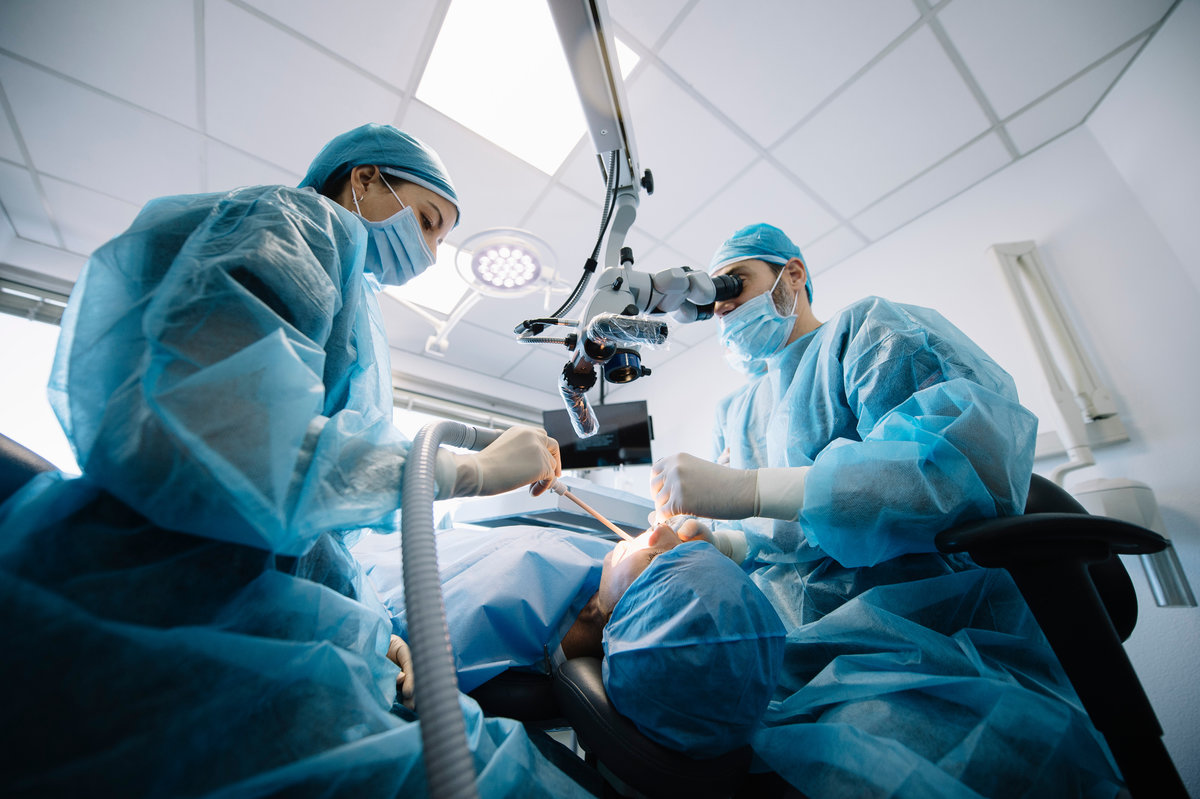
The digital plan is used to fabricate a custom surgical guide, a precisely designed device that fits over your teeth and directs the placement of each implant according to the virtual plan.
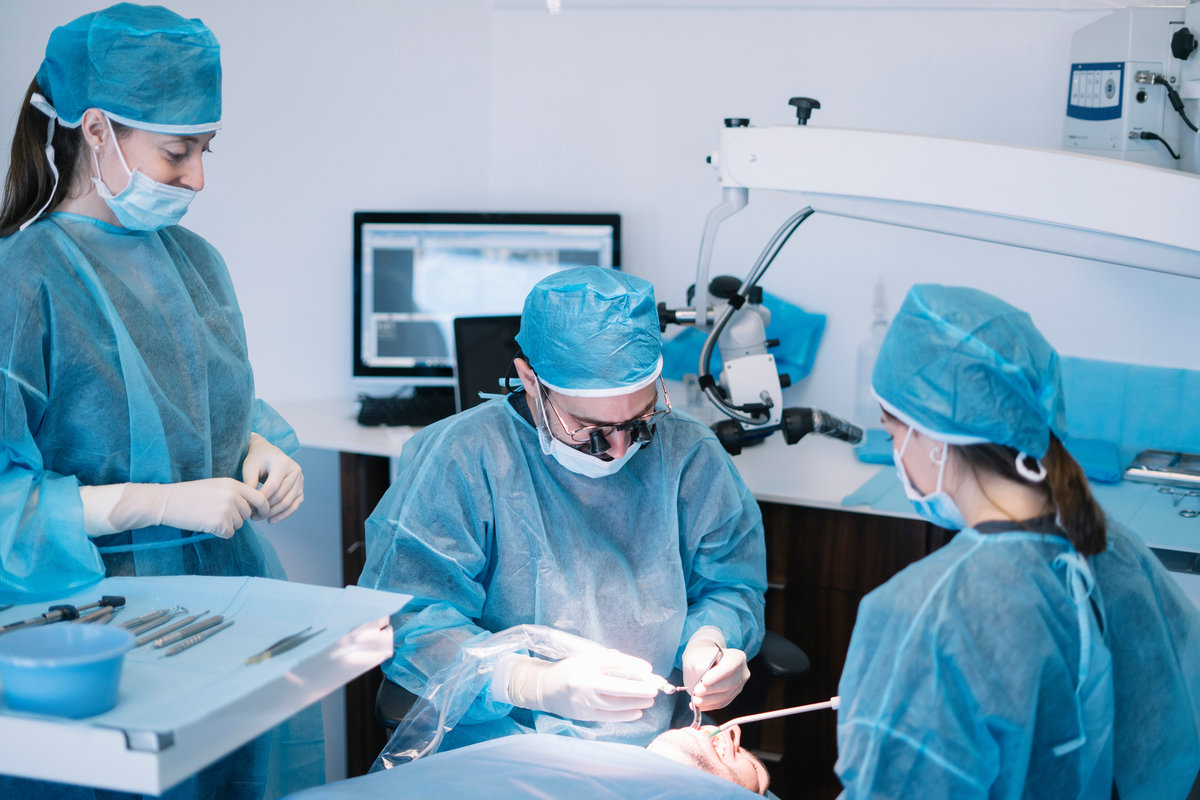
During the procedure, Dr. España works through the guide to ensure the implant is placed at exactly the depth, angle, and position determined during planning. Research published through the National Institutes of Health confirms that computer-guided implant placement produces significantly more accurate outcomes compared to freehand techniques, reducing deviations in both angle and position.
Computer-Guided Implant Surgery
What Are the Benefits of Guided Implant Surgery?
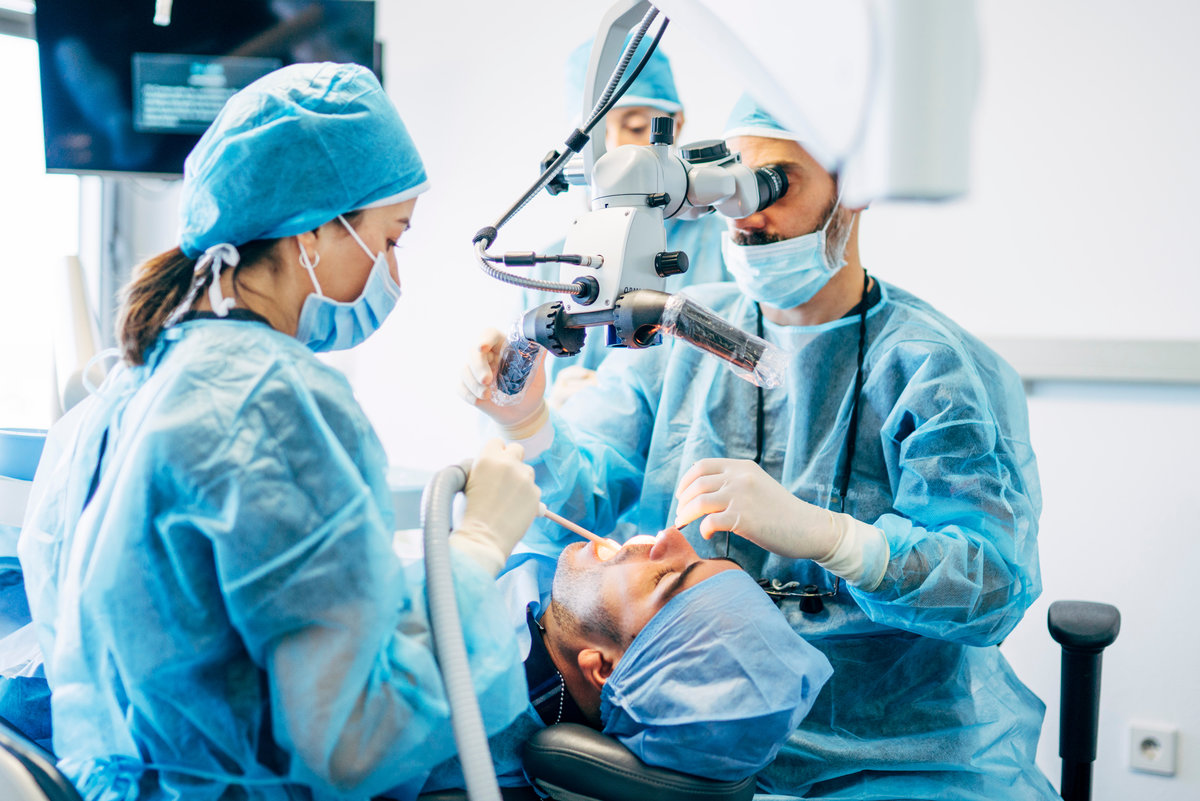
For patients, the advantages of computer-guided surgery extend well beyond the procedure itself. Because the placement is pre-planned with precision, there is typically less disruption to surrounding tissue, which can support a more comfortable recovery. The predictability of the guided approach also means fewer surprises during surgery and a more reliable foundation for the final restoration.
Patients who benefit most from guided surgery include those with limited bone volume, complex anatomy, or multiple implants being placed in the same visit. The guided technique is also particularly well-suited for cases where implants must integrate seamlessly with a planned crown or bridge, as the restoration can be designed in coordination with the implant position from the very beginning. You can learn more about how our practice supports long-term results on our dental technology page.
Computer-Guided Implant Surgery
Why Precision Matters for Implant Success
A dental implant’s long-term success depends heavily on how well it integrates with the surrounding bone, how accurately it is aligned with neighboring teeth, and whether it avoids critical anatomical structures. Even small placement errors can affect how the implant functions, how it looks, and how it holds up over time. Computer-guided surgery addresses these concerns directly by taking the guesswork out of the process.
Comfort and Confidence Before, During, and After
For patients who feel anxious about surgical procedures, the predictability of guided surgery can be genuinely reassuring. When combined with our sedation dentistry options, the experience is designed to feel as calm and straightforward as possible. Many patients are surprised by how manageable the procedure is when the planning has been done thoroughly. Dr. España’s goal is for every patient to arrive informed, leave comfortable, and feel confident in their results from the very first appointment.
Is Computer-Guided Implant Surgery Right for You?
Not every implant case requires guided surgery, and Dr. España will always recommend the approach that best fits your clinical needs and goals. During your consultation, he will review your CBCT scan, evaluate your bone structure, and discuss which placement method offers the most predictable outcome for your specific anatomy. Whether your case involves a single tooth or a more involved restorative dentistry plan, guided surgery may be an option worth exploring.
Schedule Your Implant Consultation at Evergreen Grace Dental Care
Modern implant placement is as much about careful planning as it is about skilled execution. At Evergreen Grace Dental Care, Dr. España’s commitment to advanced technology, combined with over a decade of hands-on implant experience and Mastership credentials through the American Academy of Implant Dentistry (MAAID), means our patients receive care backed by both clinical knowledge and precision tools. Our family-owned private practice is built around giving each patient the attention and detail their care deserves.
If you are ready to explore your implant options with a dentist who takes both planning and precision seriously, we invite you to connect with Dr. Bartolo España and our team. Schedule your consultation and take the first step toward a confident, lasting smile.
What Our Customers Say
Real reviews from real patients in Renton, WA
Frequently Asked Questions
How much do dental implants cost in Renton, WA?
Dental implant costs in Renton vary depending on the number of teeth being replaced, whether bone grafting is needed, and the type of restoration used (single crown, bridge, or implant-supported denture). Most single-tooth implants range from $3,000 to $5,000 all-inclusive. While most dental insurance plans don’t cover implants as standard, financing options through CareCredit, Cherry, and Sunbit — including 0% financing — are available at Evergreen Grace Dental to make treatment accessible. We recommend scheduling a consultation with Dr. Espana for an accurate cost estimate.
Does dental insurance cover implants in Renton?
Most standard dental insurance plans classify implants as elective and don’t provide coverage, though some plans may cover portions of associated procedures like extractions or the crown restoration. At Evergreen Grace Dental, we offer multiple flexible payment options — including CareCredit, Cherry, and Sunbit’s 0% financing — so cost doesn’t have to be a barrier to restoring your smile. Our team can help review your benefits and identify any applicable coverage before treatment begins.
How long does the dental implant process take from start to finish?
The full dental implant process at Evergreen Grace Dental typically takes three to nine months from implant placement to final crown placement. After the titanium post is surgically placed, a healing period of three to six months allows osseointegration — the process by which your jawbone fuses with the implant — before the permanent restoration is attached. Some patients may require additional time if bone grafting is needed prior to implant placement. Dr. Espana will outline your specific timeline during your initial consultation.
Am I a good candidate for dental implants?
Most healthy adults with one or more missing teeth are candidates for dental implants in Renton. Ideal candidates have adequate jawbone density to support the implant, healthy gums, and no uncontrolled systemic conditions like unmanaged diabetes. Smokers and patients with significant bone loss may require preliminary treatments. Dr. Espana uses advanced digital imaging to evaluate your bone structure and overall oral health during your consultation, ensuring implants are the right solution before any treatment begins.
Do dental implants hurt?
Most patients report less discomfort than expected during and after dental implant placement. The procedure itself is performed under local anesthesia, and sedation dentistry options are available for anxious patients. Post-operative soreness is typically manageable with over-the-counter pain relievers and subsides within a few days. Dr. Espana provides detailed aftercare instructions and is available to address any concerns during your recovery to ensure a comfortable healing experience.
Contacts
Questions?
Text or call — we’re here to help you plan your first visit.
Wednesday-Thursday-Friday:
CLOSED: Monday, Tuesday, Saturday, Sunday