
Pulp Capping
Pulp Capping in Renton, WA
A toothache that seems minor can quickly spiral into a much bigger problem when the inner pulp of a tooth becomes threatened. When decay or injury brings bacteria dangerously close to the nerve, the window to save that tooth without a root canal may be smaller than most patients realize, but it does exist.
At Evergreen Grace Dental in Renton, WA, Dr. Bartolo Espana and our team take a conservative, tooth-preserving approach to care. Through pulp capping, we can protect a compromised tooth, relieve discomfort, and help patients avoid more extensive treatment. As part of our broader restorative dentistry services in Renton, pulp capping reflects our commitment to saving healthy tooth structure whenever possible.
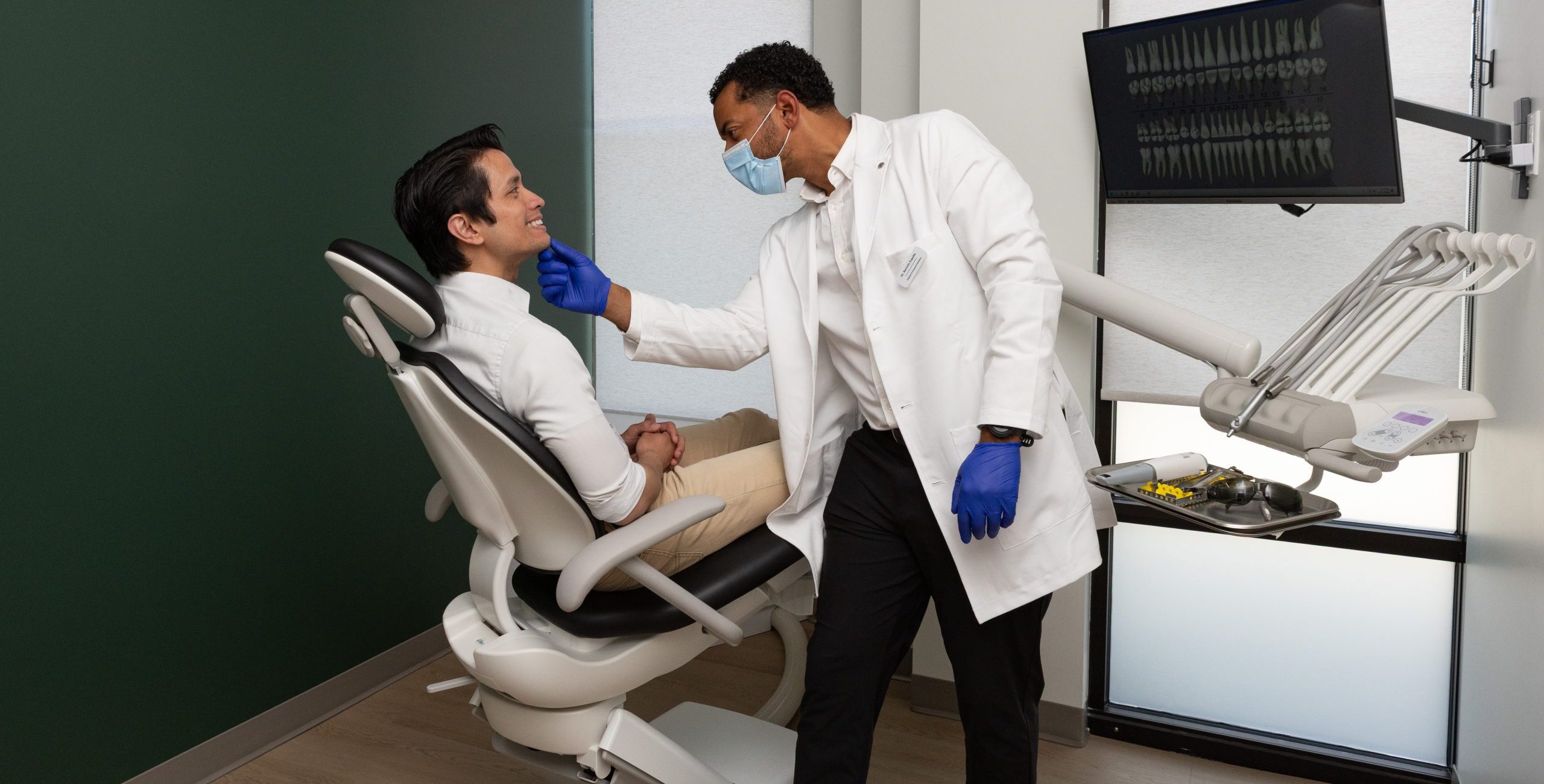
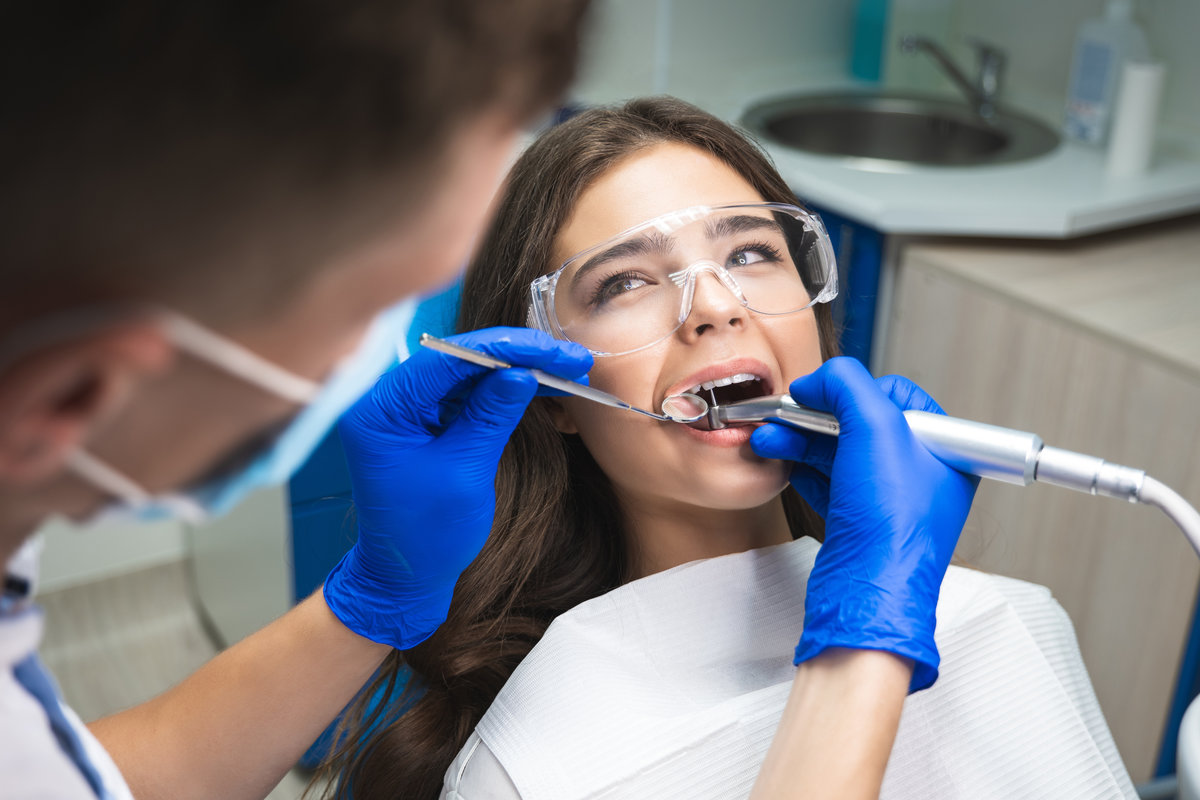
Pulp Capping
What Is Pulp Capping?
The dental pulp is the soft tissue at the center of every tooth, containing nerves and blood vessels that help keep the tooth alive. When decay or trauma brings a dental drill or bacterial exposure very close to the pulp, the nerve can become inflamed or infected. Left untreated, this often leads to the need for root canal therapy or, in severe cases, extraction.
Pulp capping is a procedure that places a protective medicated material directly over the exposed or near-exposed pulp to encourage healing and shield the nerve from further harm. The goal is to keep the pulp vital and functioning so the tooth remains healthy for years to come.
Direct vs. Indirect Pulp Capping
There are two forms of pulp capping, and the approach used depends on how close the decay has come to the nerve.
Indirect pulp capping is used when a thin layer of dentin still separates the decay from the pulp. The dentist removes most of the decayed material, applies a medicament over the remaining layer, and seals the tooth to allow the area to remineralize and heal over time. Direct pulp capping is used when the pulp itself has been minimally exposed, typically during decay removal or due to a small traumatic chip. A biocompatible material is placed directly on the exposed pulp tissue to promote healing and prevent infection.
Research published in the National Library of Medicine supports the effectiveness of modern pulp-capping materials, particularly bioceramics such as mineral trioxide aggregate (MTA), in achieving successful long-term outcomes when treatment is performed early and under appropriate clinical conditions.
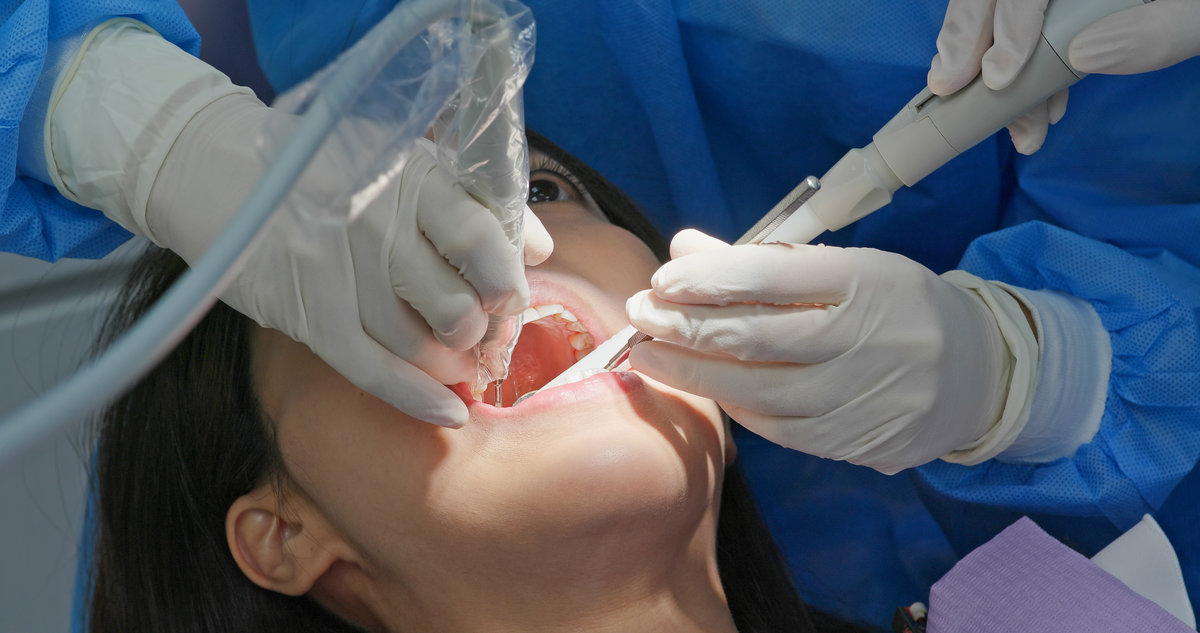
Pulp Capping
Am I a Candidate for Pulp Capping?
Not every tooth with deep decay is a candidate for pulp capping. Success depends largely on timing, the extent of pulp involvement, and the overall health of the tooth and surrounding tissues. Dr. Espana carefully evaluates each case before recommending this approach.
Signs You May Benefit From Pulp Capping
Patients who may be good candidates for pulp capping often share several characteristics:
- The tooth has deep decay that is close to, but has not fully infected, the pulp
- The tooth is free of significant spontaneous pain or signs of irreversible pulpitis
- The decay was discovered before an abscess or widespread infection developed
- The tooth has a favorable long-term prognosis with adequate remaining structure
Early intervention is key. The sooner deep decay is caught and treated, the more likely a conservative procedure like pulp capping can succeed in avoiding more complex care.
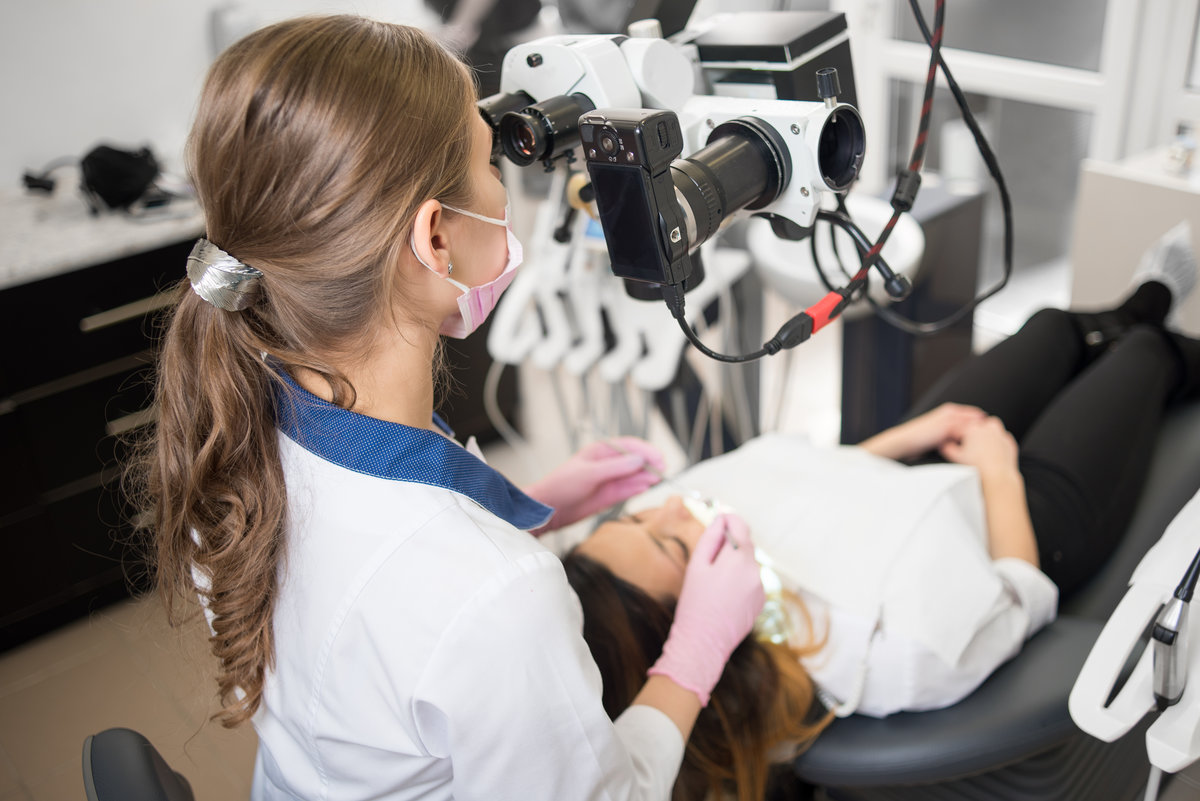
Pulp Capping
What to Expect During Pulp Capping Treatment
Pulp capping is typically completed in a single appointment and is far less involved than root canal therapy. After numbing the area with local anesthetic, Dr. Espana carefully removes the decayed material and evaluates how closely the pulp has been affected. A medicated material, such as calcium hydroxide or a bioceramic compound, is then applied to protect the pulp or cover the exposure site.
Once the material is placed, the tooth is sealed with a bonded restoration or temporary filling to protect the area while healing occurs. In many cases, a dental crown or permanent filling is placed at a follow-up visit to restore the tooth fully. Our team uses advanced dental technology throughout the process to ensure precision and patient comfort from start to finish.
How Pulp Capping Compares to Root Canal Therapy
One of the most common questions patients ask is how pulp capping differs from a root canal. Both procedures address threats to the dental pulp, but they serve different stages of damage. Pulp capping is used when the pulp is still healthy or only minimally compromised. Root canal therapy becomes necessary when the pulp has become irreversibly inflamed or infected, requiring the nerve tissue to be removed entirely.
When pulp capping is appropriate and performed with modern materials, it can be an effective way to preserve the tooth’s natural nerve and avoid root canal treatment altogether. Our endodontic care in Renton is designed to guide patients toward the most conservative option that will produce lasting results.
Schedule Pulp Capping Treatment at Evergreen Grace Dental
Catching deep decay early is one of the best investments you can make for your long-term dental health. If you have been told that you have significant decay or are experiencing tooth sensitivity and discomfort, pulp capping may be a conservative solution worth exploring. Dr. Bartolo Espana brings over a decade of hands-on general dentistry experience to every patient he sees at our family-owned private practice in Renton, WA.
Do not wait until a minor problem becomes a major procedure. Contact our office today by calling us or completing our online appointment request form to schedule your visit with our team at Evergreen Grace Dental.
Contacts
Questions?
Text or call — we’re here to help you plan your first visit.
Wednesday-Thursday-Friday:
CLOSED: Monday, Tuesday, Saturday, Sunday