
Night Guards (TMJ/Bruxism)
Night Guards (TMJ/Bruxism) in Renton, WA
You wake up with a dull headache, a sore jaw, and the faint memory of clenching your teeth through the night. Bruxism, or chronic teeth grinding, is one of the most underdiagnosed dental concerns, often unfolding silently while you sleep and leaving behind worn enamel, cracked teeth, and jaw pain that can escalate into full temporomandibular joint (TMJ) disorder. According to the National Institute of Dental and Craniofacial Research, approximately 11 to 12 million adults in the United States experience pain in the temporomandibular joint region, and many never connect it to nighttime grinding.
At Evergreen Grace Dental in Renton, WA, our team helps patients understand what’s happening with their bite, jaw, and sleep, and we provide custom night guards designed to protect their teeth and relieve the pressure that drives TMJ symptoms. As a family-owned private practice with over a decade of experience, we take a personalized approach to every patient’s care through our preventive dentistry services. If jaw pain, headaches, or tooth wear are part of your mornings, a night guard may be the solution you’ve been looking for.

Night Guards (TMJ/Bruxism)
What Are Bruxism and TMJ Disorder?
Bruxism refers to the involuntary grinding, clenching, or gnashing of teeth, most commonly during sleep. TMJ disorder, or temporomandibular joint disorder, is a condition affecting the joints and muscles that control jaw movement. The two conditions are closely linked. Chronic grinding places immense pressure on the jaw joints, which can trigger or worsen TMJ symptoms over time.
Many people live with bruxism for years without a formal diagnosis because the grinding happens during sleep. A dental exam can reveal telltale signs, including flattened or chipped enamel, increased tooth sensitivity, and soft-tissue changes in the cheeks.
What Are the Signs You Might Need a Night Guard?
Not every patient notices obvious symptoms right away, but there are consistent patterns that suggest bruxism or TMJ involvement. Here are some of the most common signs to watch for:
- Waking up with jaw soreness, facial pain, or headaches near the temples
- Clicking, popping, or locking of the jaw when opening or closing your mouth
- Teeth that appear shorter, flattened, or more sensitive than before
- Disrupted sleep or complaints from a partner about nighttime grinding sounds
- Neck and shoulder tension that doesn’t resolve with stretching
These symptoms can range from mild and occasional to chronic and disruptive. The earlier they’re addressed, the more damage you may be able to prevent.

Night Guards (TMJ/Bruxism)
How Do Custom Night Guards Work?
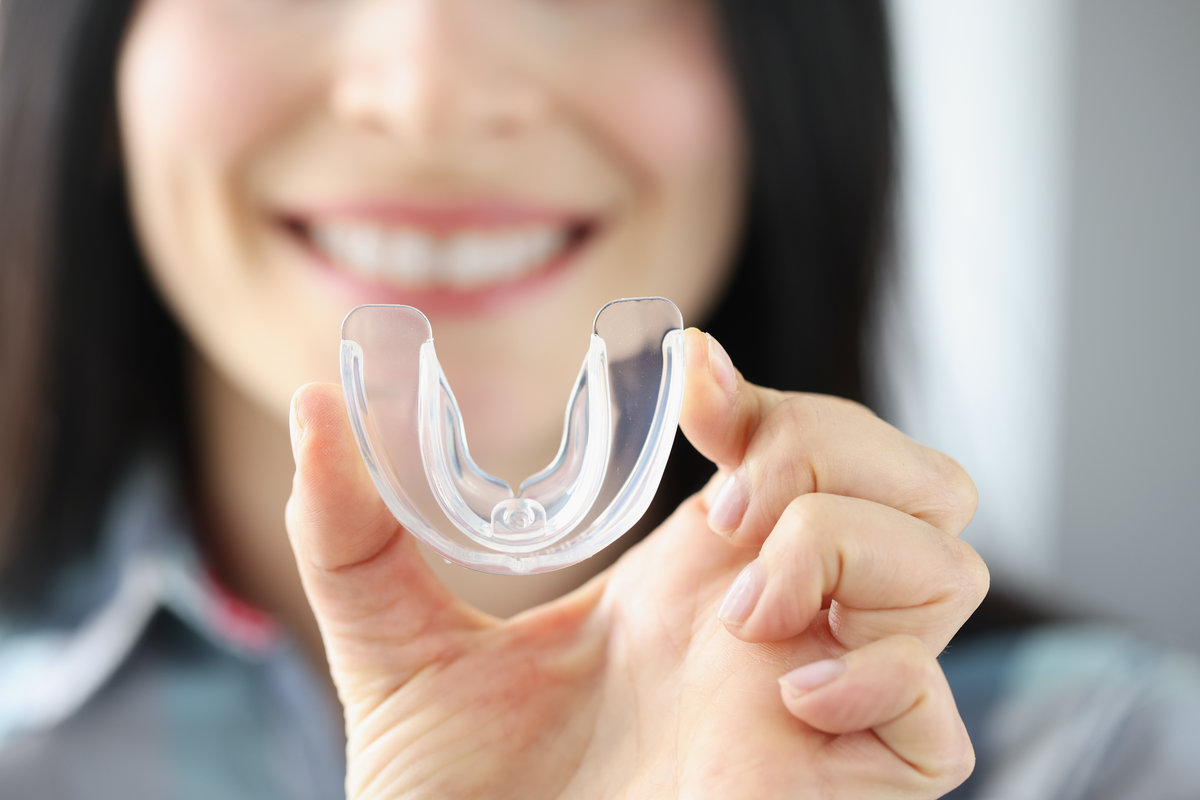
A night guard is an oral appliance worn over the upper or lower teeth during sleep. It creates a barrier between the upper and lower arches, absorbing the force of grinding and preventing direct tooth-to-tooth contact. Custom-fitted night guards are far more effective than over-the-counter options because they’re crafted from impressions of your exact bite geometry.
What Sets Custom Guards Apart?
Over-the-counter guards are generic, often bulky, and can actually shift your bite if worn regularly without proper fitting. A custom night guard from our office is precisely calibrated to your jaw position, so it stays in place comfortably, fits without creating additional pressure points, and addresses your specific grinding pattern. Dr. Bartolo Espana evaluates each patient’s bite, jaw alignment, and degree of wear before recommending an appliance, so the guard works with your anatomy rather than against it.
We use advanced dental technology to take precise impressions and evaluate your bite, ensuring the final appliance is both protective and comfortable to wear night after night.
Night Guards (TMJ/Bruxism)
What Is the Process for Getting a Night Guard in Renton?
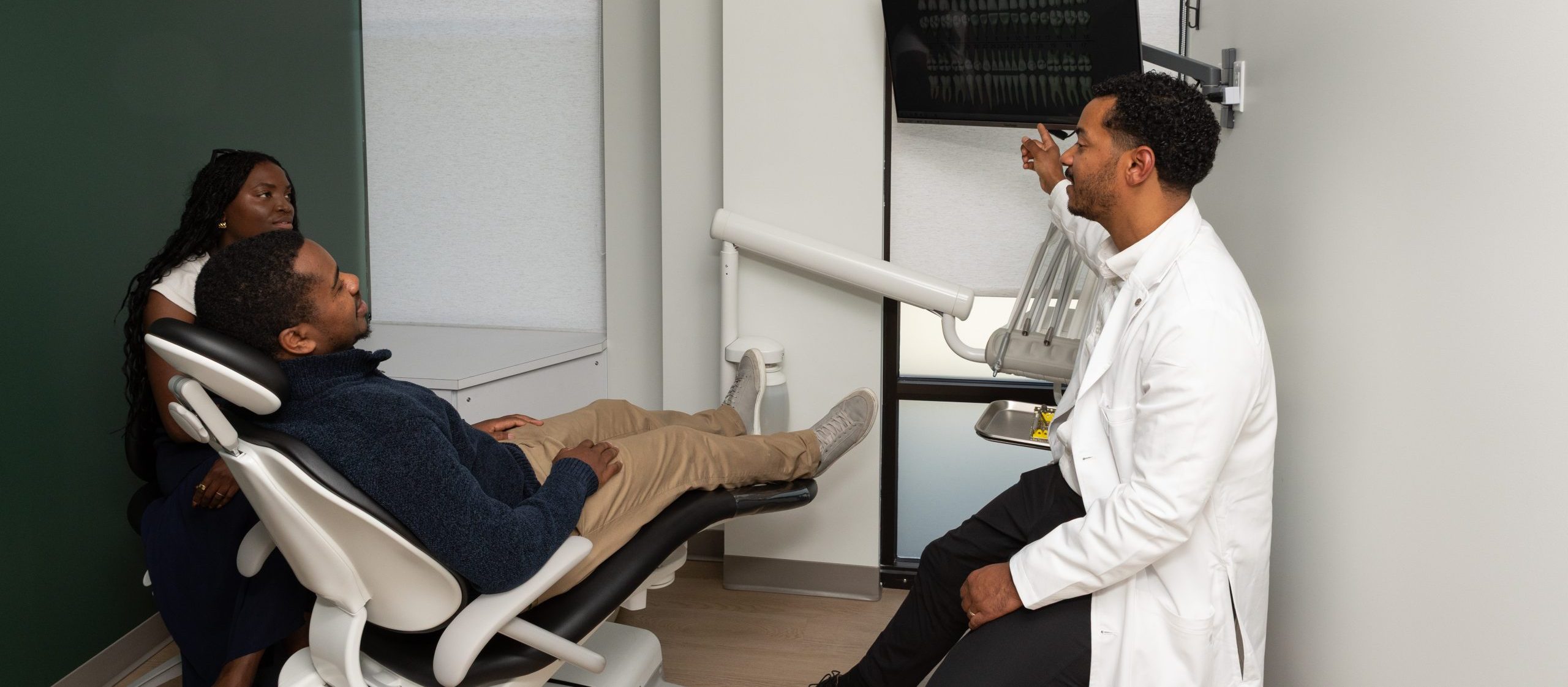
The process is straightforward and typically takes just two appointments. During your first visit, Dr. Espana will examine your teeth for signs of wear, assess your jaw function, and discuss any symptoms you’ve been experiencing. If a night guard is recommended, we’ll take impressions of your teeth and send them to a dental lab, where your custom appliance will be fabricated.
At your second appointment, we’ll fit the guard, make any needed adjustments, and walk you through proper care and maintenance. Most patients adapt to wearing it within a week or two, and many report noticeable relief from morning headaches and jaw tension within the first month. For patients who experience significant dental anxiety about dental visits, our sedation dentistry options can help make the process as comfortable as possible.
Schedule Your Night Guard Consultation at Evergreen Grace Dental in Renton, WA
Night guards are one of the most effective, non-invasive ways to protect your teeth from bruxism damage, ease TMJ discomfort, and improve the quality of your sleep. Whether you’ve already been diagnosed with teeth grinding or you’re simply waking up with unexplained jaw pain and headaches, a custom appliance fitted by an experienced dental team can make a meaningful difference in how you feel every day.
At Evergreen Grace Dental, we’re committed to helping Renton patients protect their smiles for the long term. If you’re ready to stop waking up sore and start sleeping with confidence, contact our office to schedule your night guard consultation today. We’d love to help you find relief.
Contacts
Questions?
Text or call — we’re here to help you plan your first visit.
Wednesday-Thursday-Friday:
CLOSED: Monday, Tuesday, Saturday, Sunday