
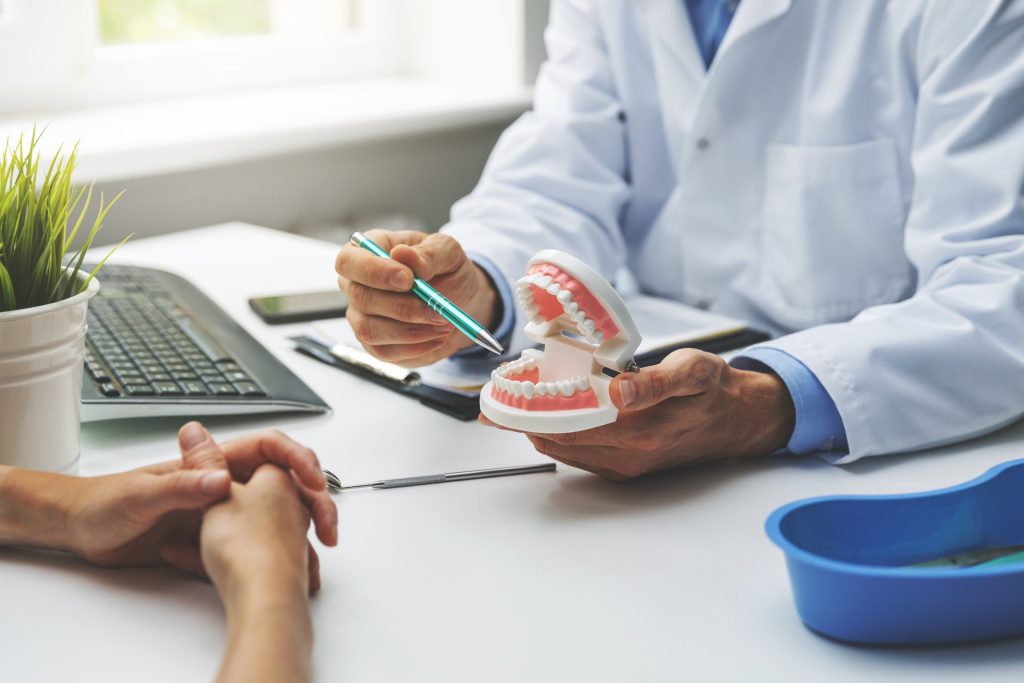
Once a dental implant has healed, it can feel surprisingly similar to the tooth it replaced. You can chew with it, brush around it, and go about your day without constantly thinking about which tooth is the implant. It will not feel exactly the same as a natural tooth because there is no natural root or nerve beneath the crown, but those differences may become less noticeable over time.
Dr. Bartolo Espana has more than a decade of experience providing dental implants. Patients at Evergreen Grace Dental often have questions about what surgery will feel like, how long it takes to get used to an implant, and what changes once the final crown is in place. Knowing these answers ahead of time can make the process a lot less mysterious before you get started.
How Implants Feel Compared to Natural Teeth
A dental implant is anchored directly in the jawbone, with a crown attached above the gumline to replace the visible tooth. That firm connection is why a healed implant can feel stable when you bite and chew. Unlike a natural tooth, though, an implant lacks the ligament around the root that helps you sense pressure.
You can still tell how hard you are biting with an implant, though the sensation is not identical to that of a natural tooth. In a 2022 review of tactile sensibility research, natural teeth detected pressure more precisely than implants, while implants performed better than dentures. Some of that feedback comes from the tissues and muscles around the implant, so most of the adjustment happens as you get used to chewing with the new tooth.
What to Expect During Healing and Recovery
The way an implant feels changes quite a bit from the day of surgery to the final crown. The area is numb during placement, so you may notice pressure or movement without sharp pain. Soreness, swelling, or bruising can develop once the numbness wears off, especially during the first few days. Soft foods and careful brushing around the area can make that period easier while the surgical site heals.
The implant then needs time to become firmly integrated with the jawbone, a process called osseointegration that can take several months. You may spend part of that time without the final crown, so chewing can feel a little unfamiliar. When the crown goes on, pay attention to how it feels when you close your mouth or eat. If one spot seems to hit before the others or the new tooth feels too high, your dentist can adjust the bite.
Small Differences You May Notice
Even when an implant looks and works like a natural tooth, a few differences are worth knowing about before you start:
- Temperature: the implant post has no nerve inside, so it does not react to hot and cold the way a natural tooth can.
- Light touch: without a ligament around it, an implant may feel slightly less sensitive to very light pressure.
- Daily care: an implant cannot get a cavity, but the surrounding gums can still become inflamed, so brushing and flossing matter.
Healthy gums help an implant stay comfortable for years, which is why gum health deserves attention at every checkup.
How Do Implants Compare With Bridges?
A common question is whether a bridge feels the same as an implant. A traditional bridge leans on the teeth beside the gap, which are usually reshaped to hold it, while an implant stands on its own in the bone. Bridges can work well, but cleaning underneath them takes extra tools like floss threaders, while an implant crown is cleaned much like a natural tooth. Our post comparing implants and bridges goes deeper into the differences between them.
Because an implant sits in the jawbone, it may also help keep that bone stimulated when you chew. Choosing how to replace a missing tooth is part of restorative dentistry, and the best option depends on your bone, your gums, and your goals.
Preparing for Your Implant Consultation
Your consultation is a good time to ask about the parts of implant treatment you are most likely to notice day-to-day. You might ask what the surgery feels like once the area is numb, how long soreness typically lasts, when you can return to your usual foods, and what to expect when the final crown is placed. Your dentist can also examine your gums and jawbone and explain how they may affect the treatment timeline.
If you want to prepare ahead of time, our guide to the first dental implant consultation covers what to bring and what usually happens at that appointment. Writing down your own questions beforehand can also help you remember the details that matter most to you.
Learn How Implants May Feel for You at Evergreen Grace Dental
A healed implant often feels close to a natural tooth when you chew, speak, and smile, with only a few minor differences. Dr. Bartolo Espana has over a decade of dental experience, with a focus on implants, and our family-owned private practice in Renton is dedicated to helping you feel informed and comfortable at every step.
If you are wondering how an implant might feel for you, we are here to talk through your options and answer your questions. Reach out today to schedule a visit with our team.