
Most dental implants stay in place for a decade or more, but the post in your jaw and the crown above it do not follow the same clock. How long yours lasts depends on the bone, gums, and daily habits around it, so your routine can play a meaningful role.
At Evergreen Grace Dental, we help patients in Renton plan dental implant treatment with the long term in mind. Knowing which parts may eventually need attention and what can put an implant at risk can help you take better care of your results from the start.
What Determines the Lifespan of an Implant?
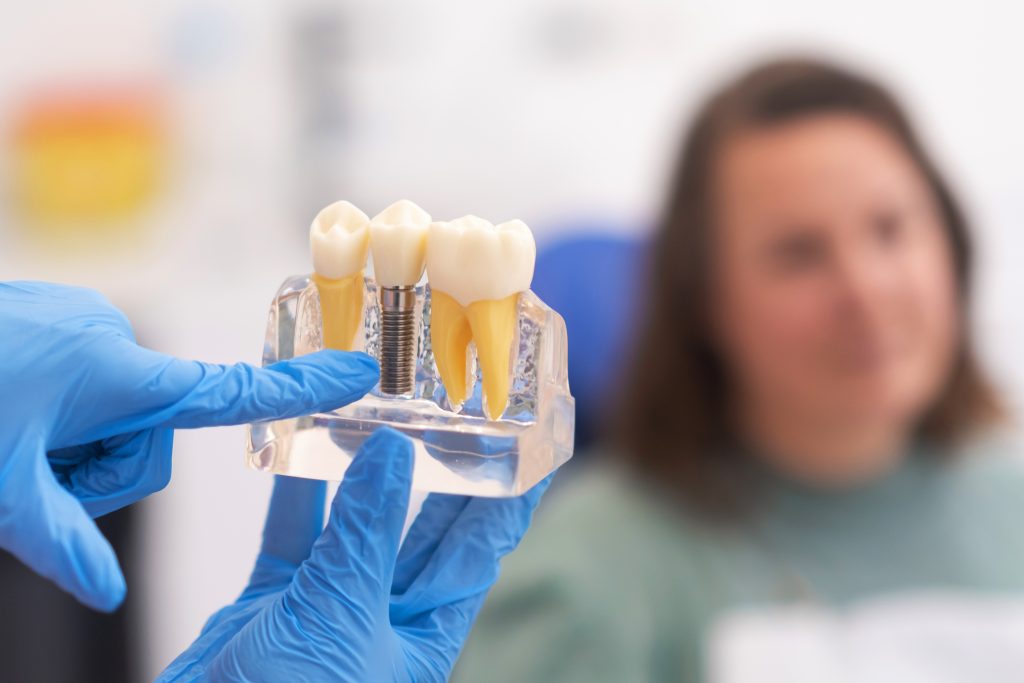
A dental implant has three main parts. A titanium post sits in the jawbone, an abutment connects the post to the crown, and the crown is the part you see when you smile. As the implant heals, bone grows around the post, helping to hold it securely in place. The post itself cannot develop a cavity, but the gums and bone supporting it can still develop problems that affect how long the implant lasts.
A 2020 review of peri-implant diseases cites a mean implant survival rate of 94.6% and identifies factors such as smoking, diabetes, a history of gum disease, and missed maintenance visits as risks for problems around implants. Excess cement around certain implant crowns can also irritate the surrounding tissues. Keeping the gums and bone healthy and having the implant checked regularly can help protect it over time.
Why Do Crowns and Posts Age Differently?
The crown is the part of your implant that handles the pressure of biting and chewing every day. Over time, it may wear down, chip, or become loose even while the implant post beneath it remains stable. Habits such as grinding your teeth or chewing ice can put additional stress on the crown. Regular visits give us a chance to check its fit and look for wear before it becomes more noticeable.
If the crown eventually needs to be replaced, the implant post can often remain in place. Replacing an aging or damaged crown is a routine part of restorative dentistry. Let us know if the crown feels loose or your bite starts to feel different, as either can be a reason to take a closer look.
Habits That Help Implants Last Longer
Dental implants still need regular care after they have healed. Keeping the surrounding gums and bone healthy can lower the risk of problems that may affect the implant over time. Focus on these habits:
- Daily cleaning: Brush twice a day and clean between your teeth to remove plaque around the implant and along the gumline.
- Regular checkups: Routine visits give us a chance to examine the gums and bone around your implant for changes.
- Avoiding tobacco: Smoking is a well-established risk factor for implant complications, so quitting can help protect the tissues supporting your implant.
- Managing blood sugar: Diabetes is associated with an increased risk of complications related to dental implants, making good blood sugar control especially important.
If you have a history of gum disease, our periodontal care can help us monitor and care for the tissues supporting your implant. Let us know about new health conditions or medications as well, because changes in your overall health may affect how we care for your implant.
When to Call About Your Implant
Changes around an implant may be easier to manage if caught early, so pay attention to anything that persists or feels different from the usual. Call us if you notice bleeding, redness, or swelling near the implant, a crown that feels loose, or persistent discomfort when you chew.
Inflammation around an implant can sometimes be treated without surgery, but bone loss may require more involved care. An exam can show what is happening around the implant and if treatment is needed. Regular preventive dental visits also give us a chance to monitor the implant over time and catch changes that may not be obvious at home.
Plan Your Long-Term Implant Care With Evergreen Grace Dental
Dental implants are a long-term investment, and the years they serve you depend on healthy gums, steady habits, and regular care. Dr. Bartolo Espana has over a decade of dental experience, and our family-owned private practice in Renton helps patients plan tooth replacement with confidence.
If you are weighing implant options or wondering how long your current implant may last, we are glad to talk through your questions and options. We can also review what to expect at each stage of care so nothing about the process feels unclear. Contact our office to schedule your visit today.