
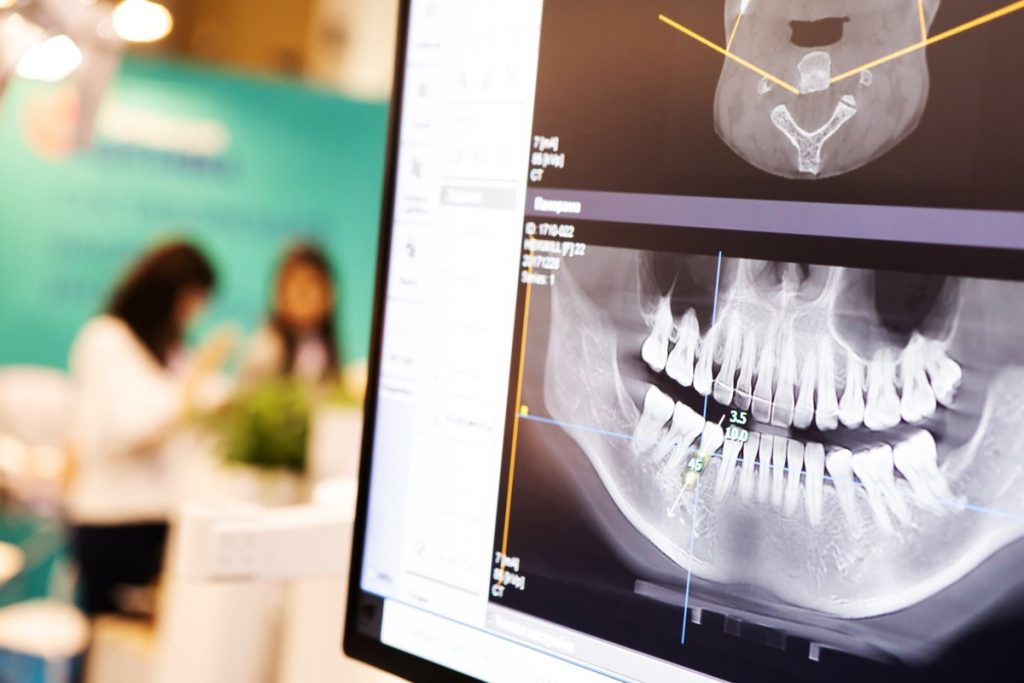
Few words in dentistry carry as much unnecessary dread as “root canal.” The procedure has a reputation for being painful and complicated, but the truth is that modern root canal therapy is designed to relieve pain, not cause it. For patients with a badly infected or damaged tooth, it is often the most effective way to save the tooth and restore comfort in everyday life.
At Evergreen Grace Dental in Renton, WA, Dr. Bartolo Espana and our team are committed to making every visit as comfortable and straightforward as possible. As a family-owned private practice focused on quality, patient-centered care, we provide restorative dentistry to help patients keep their natural teeth for as long as possible. Whether you’ve been referred for a root canal or you’re experiencing symptoms that suggest one may be needed, we’ll walk you through every step.
When Is Root Canal Therapy Needed?
Root canal therapy, also known as endodontic treatment, is recommended when the pulp inside a tooth becomes infected or severely inflamed. This can happen due to deep decay, a cracked tooth, or repeated dental procedures on the same tooth. Left untreated, an infected tooth can cause serious discomfort and put surrounding teeth at risk.
Common signs that you may need root canal therapy include:
- Persistent, throbbing tooth pain that doesn’t go away
- Prolonged sensitivity to hot or cold temperatures
- Darkening or discoloration of the tooth
- Swelling or tenderness in the surrounding gum tissue
- A small pimple-like bump on the gums near the affected tooth
These symptoms don’t always mean a root canal is necessary, but they do warrant a prompt dental evaluation. Catching an infection early gives you the best chance at preserving the tooth.
What Happens Step by Step During Root Canal Treatment?
Many patients are surprised to find that root canal therapy feels much like getting a filling. The procedure typically takes one to two appointments, depending on the severity of the infection.
How Does the Dentist Prepare You for the Procedure?
Before treatment begins, the area around the tooth is numbed with a local anesthetic. Once you’re comfortable and the tooth is completely numb, a small rubber dam is placed to keep the area dry and clean throughout the procedure. For patients who experience dental anxiety, our team can discuss sedation dentistry options to help you feel at ease.
What Does the Dentist Do Inside the Tooth?
Dr. Espana will create a small opening in the top of the tooth to access the pulp chamber. Using specialized instruments, the infected or inflamed pulp tissue is carefully removed, and the inside of the tooth is cleaned, shaped, and disinfected. According to the American Association of Endodontists, this process is designed to eliminate bacteria and prevent reinfection while preserving the tooth’s natural structure. The canals are then filled with a biocompatible material called gutta-percha and sealed.
What Happens After the Root Canal?
After the procedure, a crown or permanent restoration is typically placed over the tooth to protect it and restore its full function. You may experience mild soreness for a few days, which is normal and manageable with over-the-counter pain relievers. Maintaining good oral hygiene and staying current with preventive care visits will help your restored tooth last for many years.
Frequently Asked Questions About What to Expect
How Long Does a Root Canal Appointment Usually Take?
Most root canal treatments are completed in one to two appointments, depending on the severity of the infection and which tooth is involved. Your dentist will give you a more specific estimate after examining the tooth.
Will I Be Awake During the Procedure?
Yes, you will be awake but the area will be completely numbed with local anesthesia before treatment begins. For patients who feel anxious about dental visits, sedation dentistry options can help you stay relaxed throughout the appointment.
What Should I Eat After a Root Canal?
Soft foods are generally recommended for the first day or two, especially if the tooth is still numb or feels tender. Avoiding chewing directly on the treated tooth until any temporary or permanent restoration is fully in place is also a good idea.
How Soon Can I Return to Work or Normal Activities?
Most patients return to their regular activities the day after treatment. Mild soreness for a few days is normal and typically manageable with over-the-counter pain relievers.
Do I Need a Crown After Every Root Canal?
A crown or other permanent restoration is typically placed after a root canal to protect the tooth and restore its full function, especially on back teeth that handle heavy chewing forces. Your dentist will recommend the right restoration based on which tooth was treated.
Schedule Root Canal Therapy at Evergreen Grace Dental in Renton
Root canal therapy is one of the most effective ways to relieve tooth pain, eliminate infection, and preserve a natural tooth that might otherwise need to be removed. With modern techniques and a gentle approach, the procedure is far more comfortable than its reputation suggests, and the results can protect your smile for the long term.
If you’re experiencing tooth pain or have been told you may need a root canal, our team at Evergreen Grace Dental is here to help. Dr. Bartolo Espana brings over a decade of experience as a general dentist and takes a thorough approach to every patient’s care. Schedule a consultation by reaching out through our contact form, and let us get you out of pain and back to feeling your best.